44 cholesterol in food labels
Food Labels: Fat & Cholesterol | Home & Garden Information Center The 2015 Dietary Guidelines for Americans recommends the following intakes of fat and cholesterol every day: total fat—20 to 35% of calories, depending on age and gender (65 grams for the 2,000-calorie intake level used in the Daily Value)* saturated fat—less than 10% of calories** trans fat— keep as low as possible How Much Cholesterol Should I Have Per Day? - Healthline Nutrition labels on foods tell you how much of each nutrient or fat is in the item, based on the recommended serving size. The numbers and percentages are written for a 2,000 calorie/day diet. You ...
Food Labels - kenoshaheart.org Food Labels. The following information is designed to inform individuals how to examine a food label more in depth to avoid cholesterol, saturated fat, and trans fat, while also limiting the excess consumption of both sugar and sodium. This information is meant to address the contributing risk factors leading to the development of coronary ...

Cholesterol in food labels
How to Understand and Use the Nutrition Facts Label | FDA Dietary fiber, vitamin D, calcium, iron ad potassium are nutrients on the label that Americans generally do not get the recommended amount of. They are identified as nutrients to get more of.... How to read food labels: MedlinePlus Medical Encyclopedia If a food has less than 0.5 grams of saturated fat in the serving size on the label, the food maker can say it contains no saturated fat. Remember this if you eat more than 1 serving. You should also pay attention to trans fats on any food label. These fats raise "bad" cholesterol and lower your "good" cholesterol. 13 Misleading Food Label Claims and How Not to Be Tricked 1. Label Says "Sugar-Free". The Food and Drug Administration (FDA) provides guidelines for a variety of common food labels, including sugar-free. While the term suggests that products labeled this way would be completely free of sugar, they can actually contain up to 0.5 grams of sugar in a single serving size.
Cholesterol in food labels. How to read food labels - Heart Foundation NZ The star rating is calculated using an algorithm that takes into consideration a number of positive and negative nutrients for a particular food. The positive elements include protein, fibre, fruit, vegetable, nut, seed and legume content. The negative elements include energy, sodium, saturated fat, and sugar. How to Tell if Foods Are Low or High Cholesterol Each food label should include milligrams (mg) of cholesterol per serving. Don't forget to look at the serving size as well. Sometimes products can seem low in cholesterol, but if you eat more than the recommended servings at one sitting, then you can end up consuming a lot more cholesterol than you intended. Dietary Cholesterol - Nutrition Facts Labels Explained by ... - MyFoodDiary Soluble fiber binds to dietary cholesterol in our intestines and prevents the body from absorbing it. Foods rich in soluble fiber include: Beans (black, lima, kidney) Vegetables (Brussels sprouts, broccoli, potatoes) Fruits (avocados, apples, pears, prunes) Nuts (walnuts, almonds) Whole grains (wheat bread, oat bran, oatmeal) Exercise Learn About Cholesterol Free Food Labels | Chegg.com Under the United States Department of Agriculture (USDA), a low-cholesterol label is required to contain fewer than 20 milligrams or 2 grams of saturated fat per series on food. There is no cholesterol in cholesterol-free food. Cholesterol-free can be a marketing tactic often utilized for purchasing promotion.
Understanding Food Terms - American Cancer Society Fat. Saturated fat. Cholesterol. Sodium. Sugars. Calories. Other terms that may be used: Without, no, zero and (for fat-free milk) skim. Note that this only refers to nutrients in food. The word "free" may be used differently for things people may be allergic to or intolerant of, such as lactose and gluten. How to Read the Nutrition Facts Label on Packaged Foods Sugar Alcohols You may see these reduced-calorie sweeteners (which include sorbitol, xylitol, and erythritol) in products labeled "no sugar added" or "sugar free." They have fewer calories than... Interactive Nutrition Facts Label - Food and Drug Administration Cholesterol Download the Cholesterol Fact Sheet. (PDF: 169 KB) Nutrition Facts 4 servings per container Serving size 1 1/2 cup (208g) Amount Per Serving 240 Calories % Daily Value* 5% Total Fat 4g... Easy Guide to Understanding Food Labels When You Have High Cholesterol ... This means that your food may contain trans-fat even if the food label says 0 gram. Therefore it's important to check the ingredient list (more on this later). Cholesterol guidelines currently recommend having not more than 300 milligrams of cholesterol per day, and if you have heart disease, aim for less than 200 milligrams per day. 2.
Understanding Food Nutrition Labels | American Heart Association When the Nutrition Facts label says a food contains "0 g" of trans fat, but includes "partially hydrogenated oil" in the ingredient list, it means the food contains some trans fat, but less than 0.5 grams per serving. So, if you eat more than one serving, you could end up eating too much trans fat. How to Read Food Labels for a Heart-Healthy Diet Partially hydrogenated oil Omega-3 fatty acid Olive oil Butter What's important to know about the first ingredient listed on a label? It's the healthiest. It's in the largest quantity. It's first due to alphabetical order. What words should I look out for that mean sugar? High-fructose corn syrup Agave nectar Dehydrated cane juice All of the above Cholesterol: Top foods to improve your numbers - Mayo Clinic Trans fats, sometimes listed on food labels as "partially hydrogenated vegetable oil," are often used in margarines and store-bought cookies, crackers and cakes. Trans fats raise overall cholesterol levels. The Food and Drug Administration has banned the use of partially hydrogenated vegetable oils by Jan. 1, 2021. Cholesterol in foods | Cholesterol Food Calculator The functioning of this nutrition calculator is simple. Choose a food from the list that you want to find out how much cholesterol it contains, or filter your search through one of these categories: Fruits Vegetables Meat Fish Dairy products Grains and cereals Nuts Legumes Drinks Other food (eggs, honey…) Ready Meals
cholesterol : NPR
Understanding Food Labels | The Nutrition Source | Harvard T.H. Chan ... Understanding Food Labels. The information on food labels is intended to help consumers become savvy about their food choices. The front, back, and sides of a package are filled with information to inform us what the food contains and to provide guidance in making healthier selections of processed foods. However, all the numbers, percentages ...
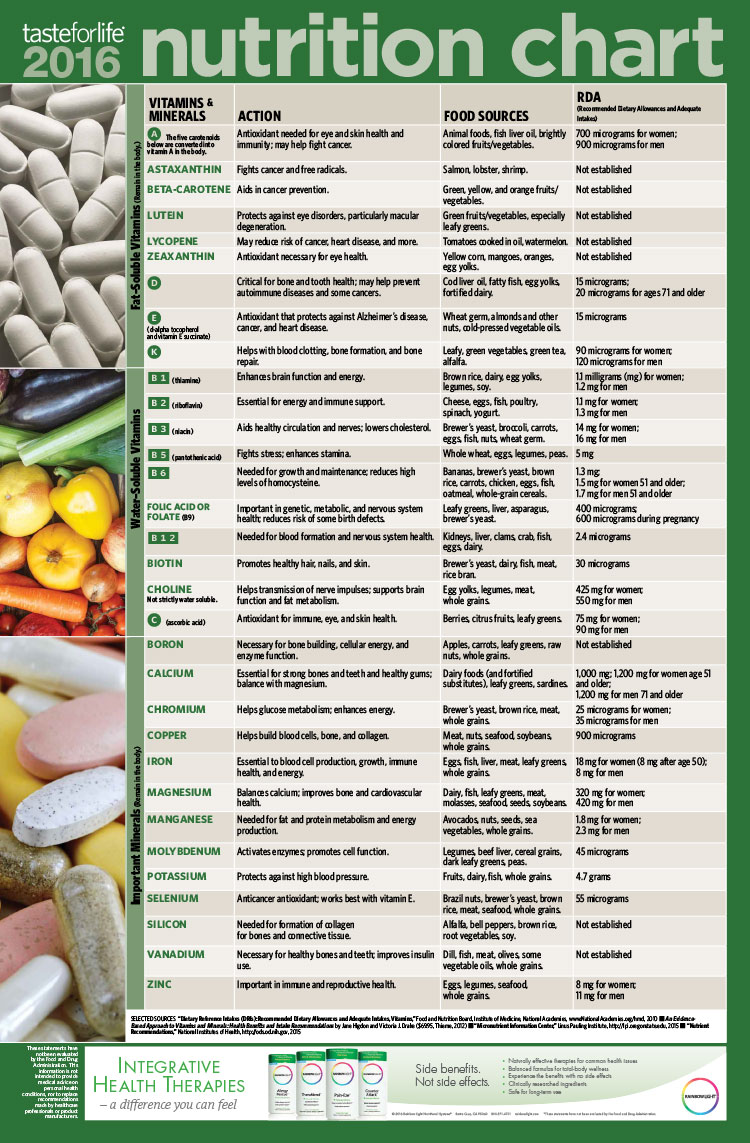
2016 Adult Nutrition Chart | Taste For Life
20 Foods High in Cholesterol (and Which to Eat or Limit) Foods High in Cholesterol That Are Healthy. 1. Shrimp: 358.7 mg, 120% Daily Value (DV) Shrimp and other shellfish tend to be high in cholesterol. Case in point: You'll get 120 percent of the DV for cholesterol in 6 ounces of cooked shrimp, but it's low in total and saturated fat.

#49 Diet | Biology Notes for IGCSE 2014
PDF Food Label Tip: Choose Low Saturated Fat Trans Fat and Cholesterol These food labels are for one serving of milk: 1 cup (8 ounces). Fat-free milk has the lowest % of saturated fat and cholesterol. It has 0% of the Daily Value of saturated fat and 2% cholesterol. Whole milk has 25% of the Daily Value of saturated fat and 12% cholesterol. Milk does not have trans fat. Fat-free milk is a better choice. Potato Chips

#49 Diet | Biology Notes for IGCSE 2014
11 High Cholesterol Foods — Which to Eat, Which to Avoid 1. Eggs. Eggs are one of the most nutritious foods you can eat. They also happen to be high in cholesterol, with 1 large egg (50 grams) delivering 207 mg of cholesterol ( 1 ). People often avoid ...
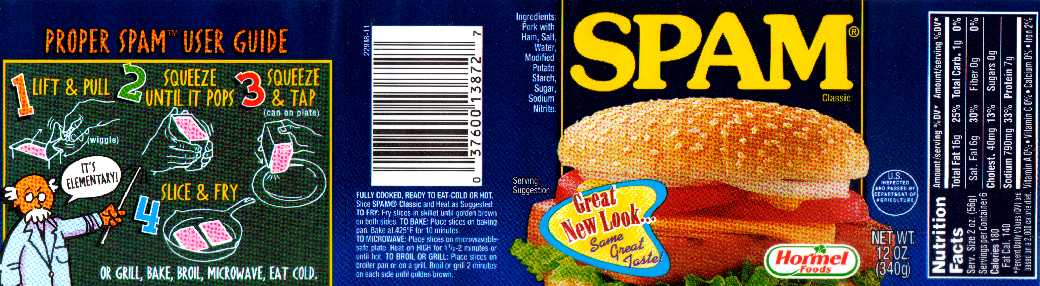
And they have the nerve to call this food?
Should I check the cholesterol on nutrition labels? Major dietary cholesterol contributors — meat, fish, and chicken — often have no label. Having less than 4-6 oz of those per day and less than 2-4 eggs per week will generally keep your cholesterol reasonable. And that's a smart idea anyhow, to leave room for more artery-friendly fruits, veg, whole grains, beans, nuts, seeds, etc."
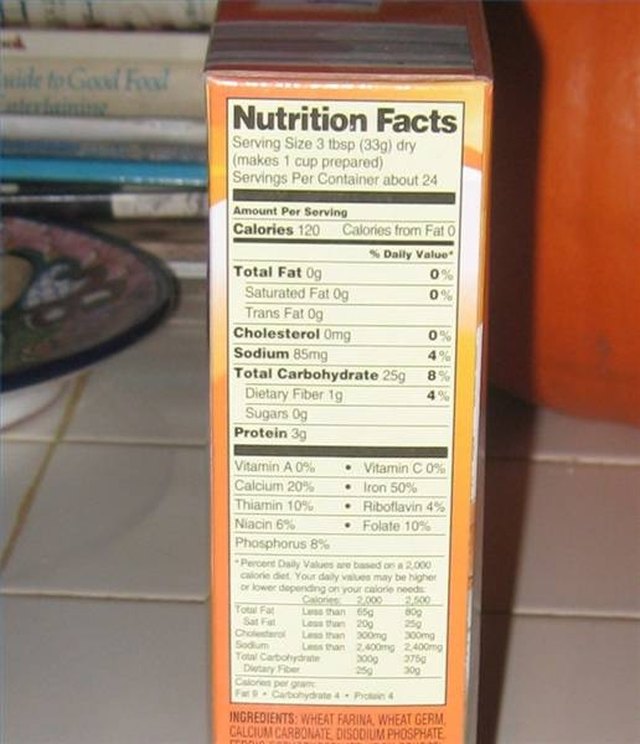
How to Make Nutrition Facts Labels | Techwalla.com
What do cholesterol-free and low-cholesterol food labels mean? American Diabetes Association Cholesterol free means that the food must contain fewer than 2 milligrams of cholesterol and 2 grams or less of saturated fat per serving. For example, although vegetable oils contain no cholesterol, they are 100% fat. Vegetable oils are still preferable to butter or lard because they have less saturated fat.
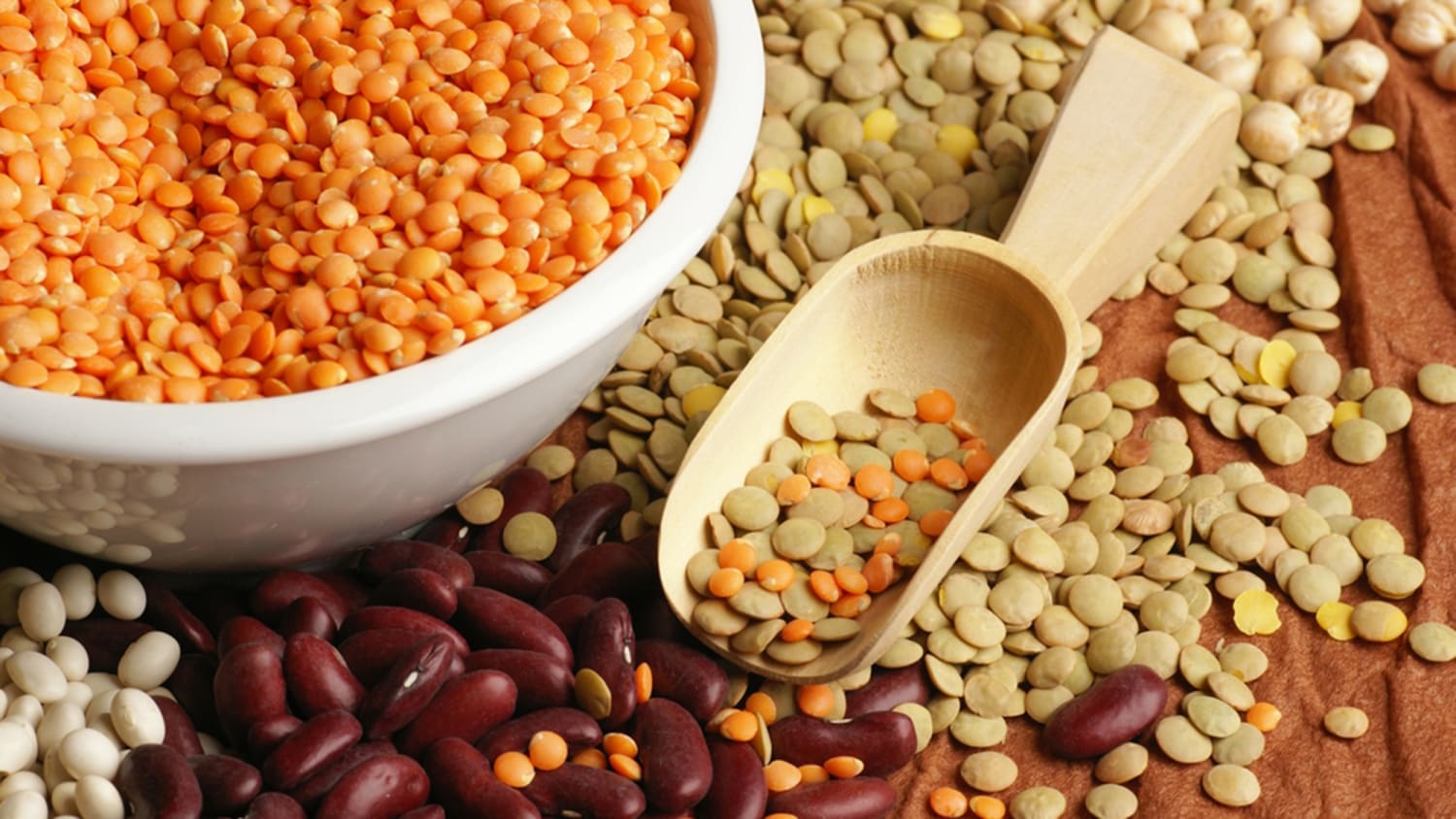
The battle of the beans: Which are best? - TODAY.com
Reading Food Labels | ADA - American Diabetes Association Put food labels to work. The Nutrition Facts labels on foods are really the key to making the best choices. We'll cover the basics so that these labels make shopping easier for you. You've heard it all. From carb-free to low-carb, to whole and empty carbs, it's hard to know what it all means. Blood sugar highs and lows aren't always ...

Nutritional Labels Services UK/EU – Nutritional Information Services
Food Packaging Claims | American Heart Association You can use this general guidance: "Free" means a food has the least possible amount of the specified nutrient. "Very Low" and "Low" means the food has a little more than foods labeled "Free." "Reduced" or "Less" mean the food has 25% less of a specific nutrient than the regular product.
Post a Comment for "44 cholesterol in food labels"