39 cleaning chemical labels should contain
Identifying Greener Cleaning Products | US EPA They may contain chemicals associated with eye, skin, or respiratory irritation, or other human health issues. Additionally, the concentrated forms of some commercial cleaning products are classified as hazardous, creating potential handling, storage, and disposal issues for users. Cleaning Products That Are Dangerous to Pets - The Maids November 5, 2021 12:05 pm • Pets • Cleaning Products You Should Never Use Around Your Pets 5 min read Even cleaning products labeled "green" and "natural" may not be as safe for pets as you may think. Many everyday house cleaning products, even those advertised to be eco-friendly, can contain toxic chemicals that can cause illness in animals.
Labelling and packaging - Chemical classification - HSE Labelling and packaging Labels are there to help identify hazardous chemicals and explain what the hazards are and how to avoid them. Packaging is also important to ensure that chemicals are stored...

Cleaning chemical labels should contain
Cleaning | Disinfection & Sterilization Guidelines | Guidelines Library ... Cleaning is the removal of foreign material (e.g., soil, and organic material) from objects and is normally accomplished using water with detergents or enzymatic products. Thorough cleaning is required before high-level disinfection and sterilization because inorganic and organic materials that remain on the surfaces of instruments interfere ... WHMIS 2015 - Labels : OSH Answers - Canadian Centre for Occupational ... Labels will require the following: the pictogram, signal word, and hazard statement are to be grouped together, to be clearly and prominently displayed on the container, to be easy to read (e.g., you can see it easily without using any item except corrective glasses), and to be in contrast with other information on the product or container. Answers to Common Questions About Toxic Chemicals in Cleaning Products ... The EPA recommends cleaning mold off hard surfaces with detergent and water, and drying completely. Find and correct the source of the moisture and dry wet building materials and furnishings within 24-48 hours. If you do not correct the moisture problem, the mold will probably grow back. More information is available here.
Cleaning chemical labels should contain. PDF Protecting Workers Who Use Cleaning Chemicals - Occupational Safety and ... • Never mix different cleaning chemicals together. Dangerous gases can be released. • Cleaning chemicals should not be used to wash hands. Wash hands with water after working with a cleaning chemical, especially before eating, drinking or smoking. Employers must provide training to workers at a level and in a language and vocabulary that they (Solved) - You have just been placed in charge of putting chemical ... Some types of containers ... Goodbye Winter Grime, Hello Safe Spring Cleaning! - Poison The Full Story. Spring cleaning can be more of a safety challenge than everyday cleaning. It could involve rearranging things in the home and leaving multiple cleaning products out longer than usual. It's wise to anticipate that it will be tiring and disruptive and to plan for safety in advance. Leaving cleaners containing strong chemicals ... Hazardous Chemical Cleanup: Steps for Dealing with a Spill Any leaks in the container should be plugged or an additional container should be placed under the leak. A spill kit containing absorbents that can handle oil should be used to dike and soak up the liquid (many spill kits should be able to soak up oil). Take care not to step in the oil. 4. Clean Up.
WHMIS 1988 - Labelling Requirements : OSH Answers - Canadian Centre for ... If the product is always used in the container with the supplier label, no other label is required (unless the supplier label falls off or becomes unreadable). However, sometimes you will want to put some of the material into another container for use in the workplace. This new container does require a workplace WHMIS label. A workplace label must: Cleaning Supplies: Secret Ingredients, Hidden Hazards This bill would require that makers of household and professional cleaning supplies disclose the ingredients on the label as well as on the web. It would also require disclosure of product contaminants and individual ingredients in fragrance mixtures. The result would empower consumers as never before. Many ingredients are not disclosed to workers Clean Food - Testing for chemicals Clean Label Project To date, Clean Label Project has completed a variety of studies looking at the true contents of America's best-selling food products with more in process. We examined the levels of heavy metals, bisphenols, pesticide residues and other contaminants linked to cancer in America's best-selling cooking oils. We examined industrial ... Terms to avoid on a hazard label - HSE You should also avoid using statements such as 'safe', 'non-harmful', 'non-toxic', 'non-polluting', 'ecological', 'eco' on the labels of substances or mixtures which have been classified as...
Cleaning Chemical List - 14 Agents Used in Housekeeping List of Common Chemicals Used in Most Cleaning Products When it comes to making products specifically meant for cleaning, the following chemicals are used. Some tackle odors, while some only remove dirt. Acetic Acid (also known as vinegar) Ammonia Sodium bicarbonate Carbon (iv)oxide Amyl nitrite Chromic acid Sodium perborate Tetrachloroethylene PDF Protect Yourself: Cleaning Chemicals and Your Health Sufficient ventilation (airflow) when using cleaning chemicals. Protective clothing, gloves, and safety goggles, when needed. Labels on containers of cleaning chemicals. Training on the hazards of cleaning chemicals you are using and safe work practices. Your employer must train you to: Know the hazards of cleaning chemicals BEFORE using them. Cleaning Supplies and Household Chemicals - American Lung Association Many cleaning supplies or household products can irritate the eyes or throat, or cause headaches and other health problems, including cancer. Some products release dangerous chemicals, including volatile organic compounds (VOCs). Other harmful ingredients include ammonia and bleach. Even natural fragrances such as citrus can react to produce ... Cleaning Chemical Safety Information Workers should also obey the following basic rules for cleaning chemical safety: Don't mix cleaning chemicals unless instructed to do so. Some chemicals, like bleach and ammonia, can cause serious damage to the lungs and in some cases result in death when mixed. Don't wash your hands with cleaning chemicals.
Green Cleaning Products
Answers to Common Questions About Toxic Chemicals in Cleaning Products ... The EPA recommends cleaning mold off hard surfaces with detergent and water, and drying completely. Find and correct the source of the moisture and dry wet building materials and furnishings within 24-48 hours. If you do not correct the moisture problem, the mold will probably grow back. More information is available here.
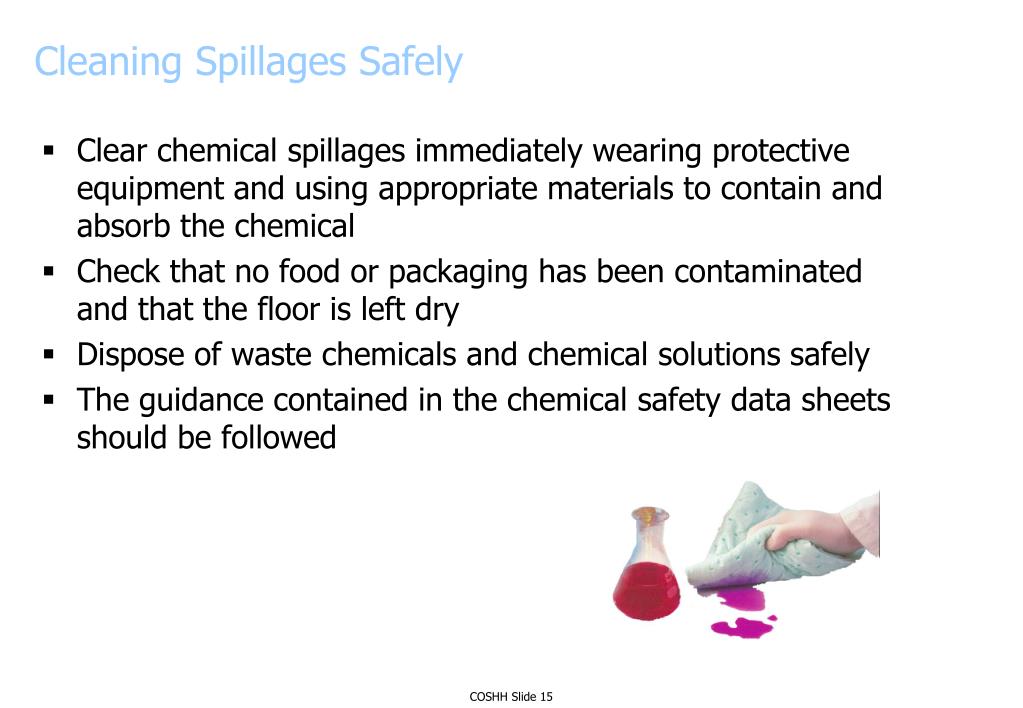
PPT - TEAM TALK COSHH PowerPoint Presentation, free download - ID:5316697
WHMIS 2015 - Labels : OSH Answers - Canadian Centre for Occupational ... Labels will require the following: the pictogram, signal word, and hazard statement are to be grouped together, to be clearly and prominently displayed on the container, to be easy to read (e.g., you can see it easily without using any item except corrective glasses), and to be in contrast with other information on the product or container.

Chemical Label Printing, Cleaning, Gardening, Agricultural Labels
Cleaning | Disinfection & Sterilization Guidelines | Guidelines Library ... Cleaning is the removal of foreign material (e.g., soil, and organic material) from objects and is normally accomplished using water with detergents or enzymatic products. Thorough cleaning is required before high-level disinfection and sterilization because inorganic and organic materials that remain on the surfaces of instruments interfere ...

Private Label Cleaning Chemicals - Pensandpieces

How Chemical Cleaning Products Affect Your Health | Maid 4 Cleaning Inc.

Private Label Cleaning Chemicals

Cleaning Products You Should Never Mix - Clean Home Challenge
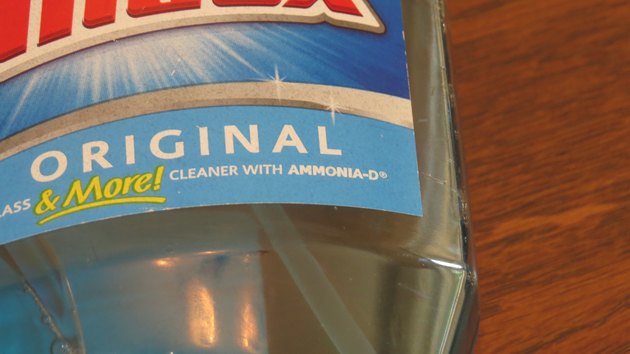
Ammonia for Cleaning | Hunker

How Chemical Cleaning Products Affect Your Health | Maid 4 Cleaning Inc.
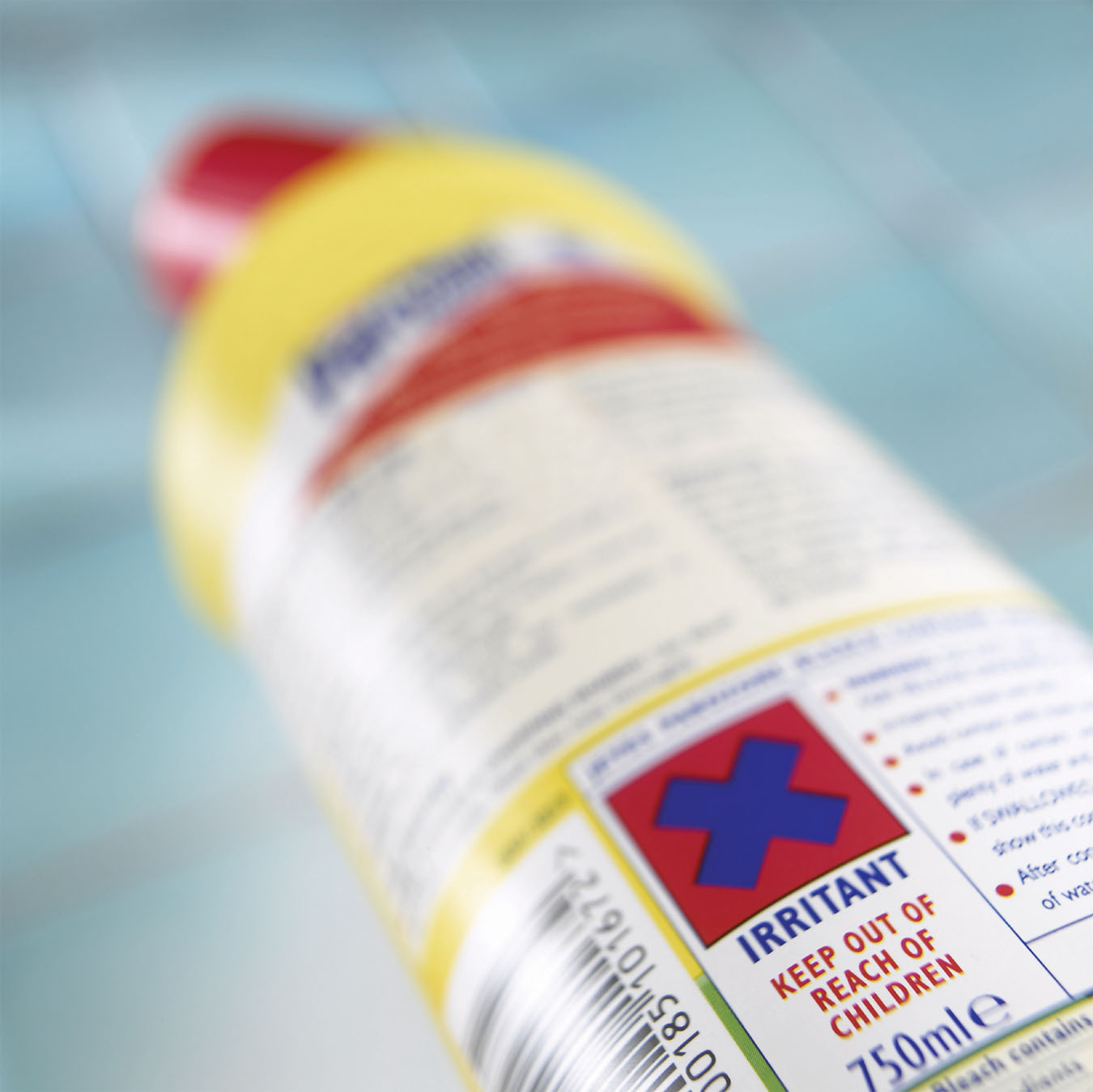
Vital Label

Chemical Labels | Chemical Labelling | FineCal

Little Lambs: Cleaning Crayon Off of Your Walls

Chemical Labels - Positive ID Labelling Warning Labels
Private Label Cleaning Chemical Manufacturers - Labels Ideas 2019
How cosmetics are killing you: The dangerous ingredients hiding in your makeup bag | Daily Mail ...

Chemical Free Label Removal - Easiest Way EVER! | Mimi, Mommy and Me: Chemical Free Label ...

Anglia Labels Sales Ltd
Post a Comment for "39 cleaning chemical labels should contain"