39 the class or division hazard labels indicate
Classification of a Material Having More Than one Hazard ... 49 CFR 173.2a (c) identifies 5 HazMat with unique properties that preclude classification according to the procedures of 49 CFR 173.2a and must be classified according to other specific regulations; they include: Class 1 explosive materials. Division 5.2 Organic peroxide. Division 6.2 Infectious substance. Understanding HAZMAT Placards | ArcBest Red and yellow indicate organic peroxides which have the potential to ignite or explode (these fall under the division 5.2). Common examples are methyl ethyl ketone peroxide and benzoyl peroxide. These signs say organic peroxide and will either have the graphic of "O" with flames or just a normal fire graphic.
49 CFR § 172.402 - Additional labeling requirements. | CFR ... In addition to the label specified in column 6 of the § 172.101 table, each package of Class 1 material that also meets the definition for: (1) Division 6.1, Packing Groups I or II, shall be labeled POISON or POISON INHALATION HAZARD, as appropriate. (2) Class 7, shall be labeled in accordance with § 172.403 of this subpart.

The class or division hazard labels indicate
49 CFR -172.101 Hazardous Materials Table info - MaselliWeb The hazard class of a hazardous material is indicated either by its class (or division) number, its class name, or by the letters "ORM-D". GHS Hazard Class and Hazard Category - ChemSafetyPro.COM GHS hazard category is the division of criteria within each hazard class. For example, hazard class flammable liquids can be divided into 4 categories among which flammable liquids category 1 represents the most severe hazard. There are 29 GHS hazard classes in total in UN GHS Rev. 6. They are used to describe 3 main types of chemical hazards ... Hazmat Table Flashcards - Quizlet alphabetically Fixes the proper shipping name, hazard class and packing group + Identifies proper shipping names for which one or more technical names must be entered in parentheses G Applies to materials intended for transportation by vessel W Applies to transportation by aircraft A Identifies material appropriate for domestic transportation D
The class or division hazard labels indicate. Dangerous goods classes and hazard labels - Civil Aviation ... Below are the 9 hazard labels for the 9 classes of dangerous goods. Class 1 Explosives Class 1 explosives This includes items such as: explosive substances pyrotechnic devices ammunition fireworks detonators. Class 2 Gases Class 2 gases These can be transported as compressed, liquefied, refrigerated liquefied or gas in solution. Hazard Classes and U.N. Markings » Hazmatpac The International Maritime Organization (IMO) classifies dangerous goods into nine hazard classes. Diamond labels denote the hazards involved by means of colors and symbols. C. Some hazard classes are further subdivided into hazard divisions due to their wide scopes. There are nine (9) hazard classes. Their order does not indicate degree of danger. WHMIS 2015 - Hazard Classes and Categories : OSH Answers Each hazard class or category must use specific pictograms and other label elements to indicate the hazard that is present, and what precautionary measures must be taken. Use the information provided by the label and SDS to be informed and to know how to safely use, handle, store and dispose of the hazardous product. Dangerous Goods Labels | ANA Cargo Dangerous goods are the substances that apply to more than one class/division defined in the "United Nations Recommendations on the Transport of Dangerous Goods ...
Hazmat Placards and Hazardous Waste Labels Their design is federally regulated. Each DOT label corresponds to a DOT Hazard Class or Division Number. A label for the material's primary hazard displays the Hazard Class/Division number on the bottom corner. A label for subsidiary hazards must not display the Class/Division number on the bottom corner. DOT Hazard Classes | Hazmat University This hazard class is further broken down into three divisions: 2.1 Flammable gas (e.g. spray paint and lighters) 2.2 Non-flammable compressed gas (e.g. oxygen generators and shock absorbers) 2.3 Poisonous gas (e.g. Chlorine Gas and Phosgene Gas) Hazard Class 3 - Flammable Liquids Examples of common flammable liquids include perfumes and paint PDF Hazard Classifications Used in Hazmat Table, Column 3 authorized by name in the Hazardous Materials Table or have been specifically authorized by name either in the Section 172.101 Hazardous Materials Table or have been assigned a shipping name and hazard class by the Associate Administrator for Hazardous Materials Safety. **Self-reactive materials that are thermally unstable and that 325 DOT Hazardous Materials Warning Labels and Markings ... DOT warning labels must meet the size and color requirements in 49 CFR §172.407 through 172.446 unless special authorization from the Manager, Product Classification is obtained as outlined in 325.1. Exhibit 325.2 DOT Hazardous Materials Warning Labels: PROHIBITED IN THE MAIL 325.3 Mailable Warning Labels
Hazard Class Labels - Upward Packaging Hazard Class Labels · Class 1 – Explosives · Class 2 – Gases · Class 3 – Flammable Liquids · Class 4 – Flammable Solids, Spontaneously Combustibles and Water- ... Hazmat Labels, Hazmat Placards, and Hazmat Markings - A ... The Department of Transportation has defined 9 Hazard Class Groups. They are separated by distinct hazardous properties and shipping requirements. Hazard Class 1 - Explosives Hazard Class 2 - Gases Hazard Class 3 - Flammable and Combustible Liquids Hazard Class 4 - Flammable Solids Hazard Class 5 - Oxidizing Substances, Organic Peroxide Hazmat Label Specifications and Requirements ... - Labelmaster The words "CARGO AIRCRAFT ONLY" must be printed at least 6.3 mm (0.25 inches) in height on the label. The hazard class number or division number must be at least 6.3 mm (0.25 inches) in height and not greater than 12.7 mm (0.5 inches) When hazard is displayed, lettering must be at least 7.6 mm (0.3 inches) in height. 49 CFR § 173.2 - Hazardous materials classes and index to ... § 173.2 Hazardous materials classes and index to hazard class definitions. The hazard class of a hazardous material is indicated either by its class (or division) number, its class name, or by the letters "ORM-D".
Virginia Beach Fire Academy: US DOT Label-Specific Information | HAZMAT Identification
Dangerous Goods Classes and Symbols - ChemSafetyPro.COM Substances (including substances and mixtures), and articles are assigned to one of the following 9 classes according to the most predominant hazards they pose in transport. Some of the classes can be further divided into divisions, e.g., Class 1, while others do not have sub-divisions, e.g., Class 3. Class 1 Explosives Class 2 Gases

Labels for the...
GHS Hazard Classification: Everything You Need to Know A chemical will have a hazard class, and within that class are several hazard categories, of which one or more will apply. Section 2 of the new GHS Labels and SDSs require hazard statements which are determined by assigning a hazard class and category. As a manufacturer, importer, or distributor you'll need to know how to classify hazards.
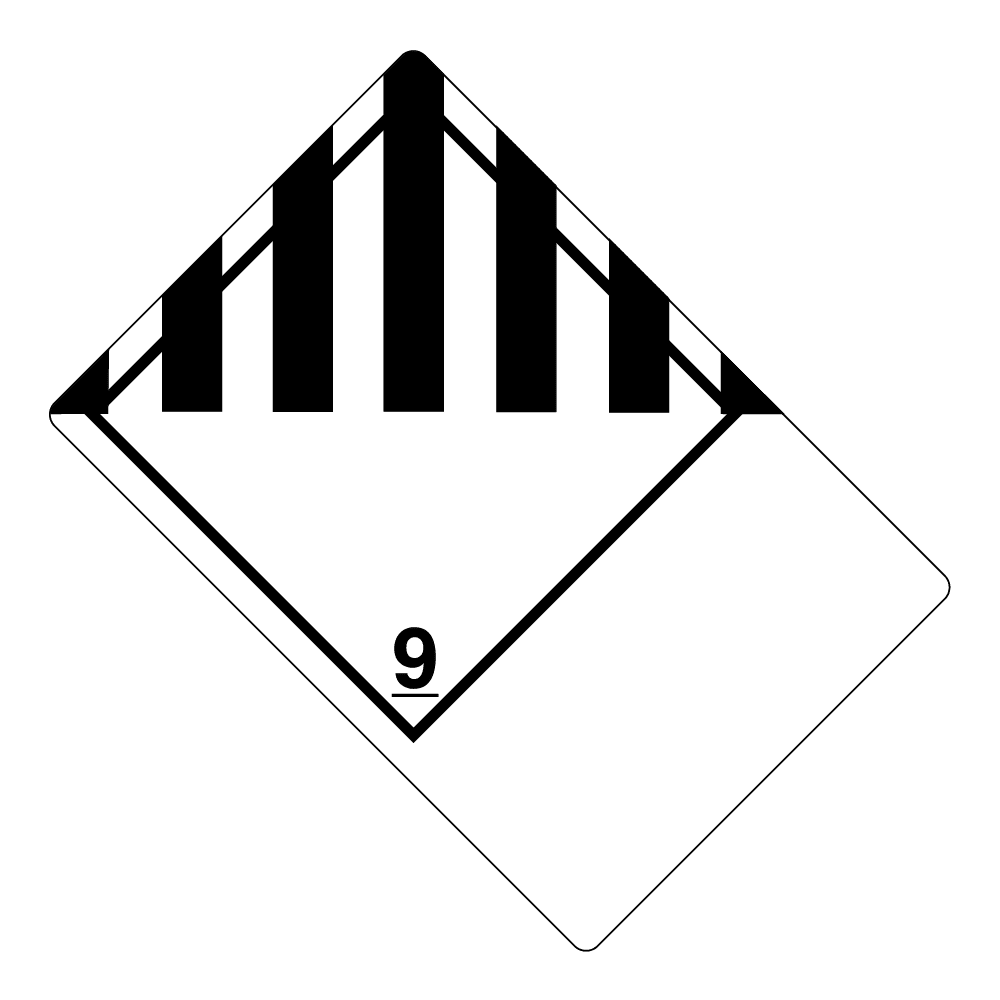
Hazard Class 9 - Miscellaneous Hazardous Material, Vinyl Label, Shipping Name-Large Tab, Blank ...
Classes 1-9 of dangerous goods explained - ADR Dangerous Goods Class 1 Explosive substances and articles Class 1 contains substances and articles which pose a hazard due to explosion. Items in Class 1 are further divided into divisions 1.1 - 1.6 depending on the nature of the explosion hazard and the sensitivity of the item. A compatibility group, consisting of a single letter, is also assigned to each item.

On The Hazardous Materials Table Column 1 Shows | Brokeasshome.com
PDF DOT CHART 16 Hazardous Materials Markings,Labeling and ... each label represents a hazard of the material contained in the package [§172.401]. • For labeling mixed or consolidated packages, see §172.404. • The appropriate hazard class or division number must be displayed in the lower corner of a primary and subsidiary hazard label [§172.402(b)].
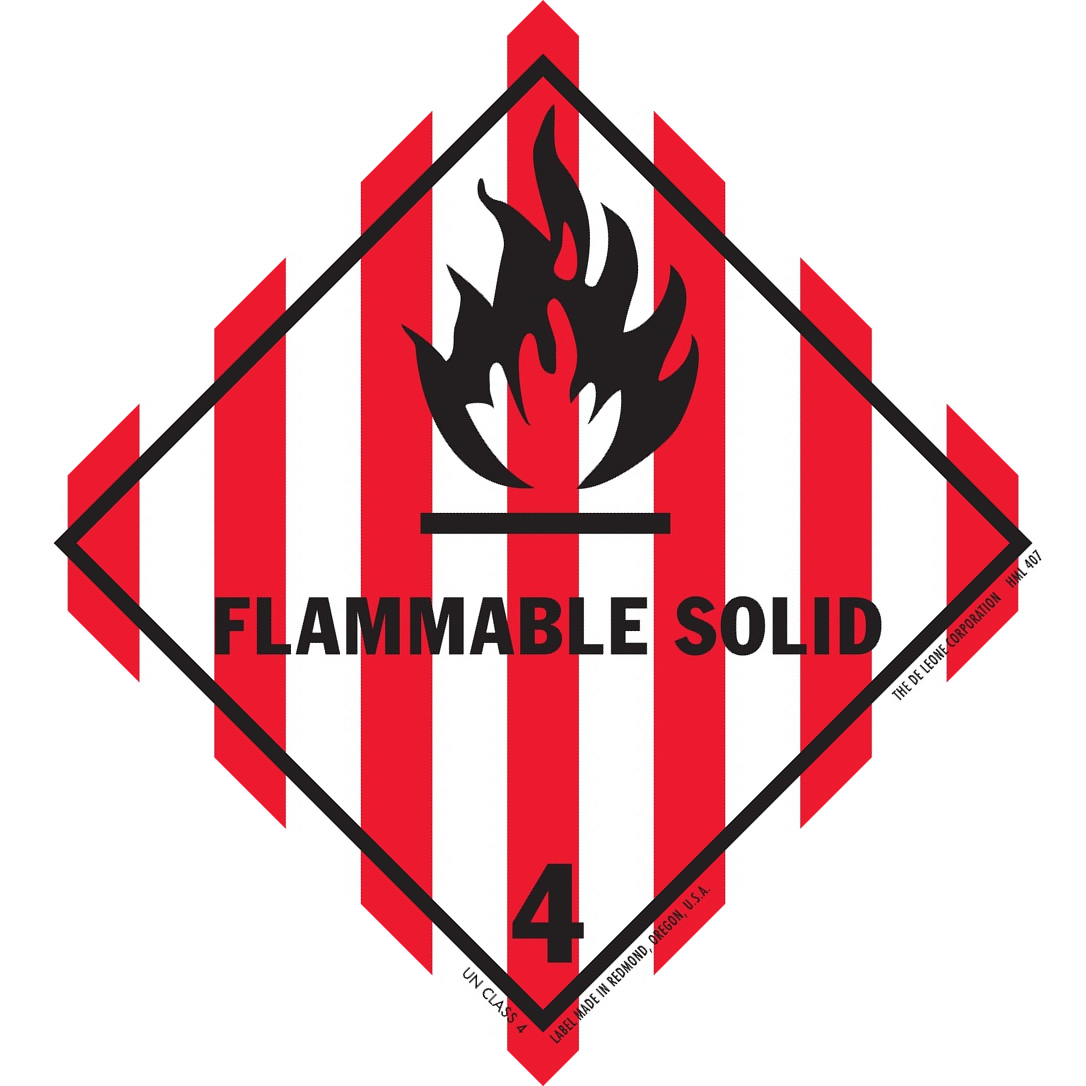
Hazardous Material Labels | 4" X 4" Hazardous Materials Label, Class 4, Paper | America's Finest ...
Hazmat Flashcards & Practice Test - Quizlet Class 7 radioactive materials It is the driver's responsibility to fight hazardous material fires until emergency responders arrive. False Dangerous placards can be used if a shipment contains non-bulk packages of two or more hazard classes requiring placards from "Placard Table #2". False Sets with similar terms Section 9: Hazardous Materials
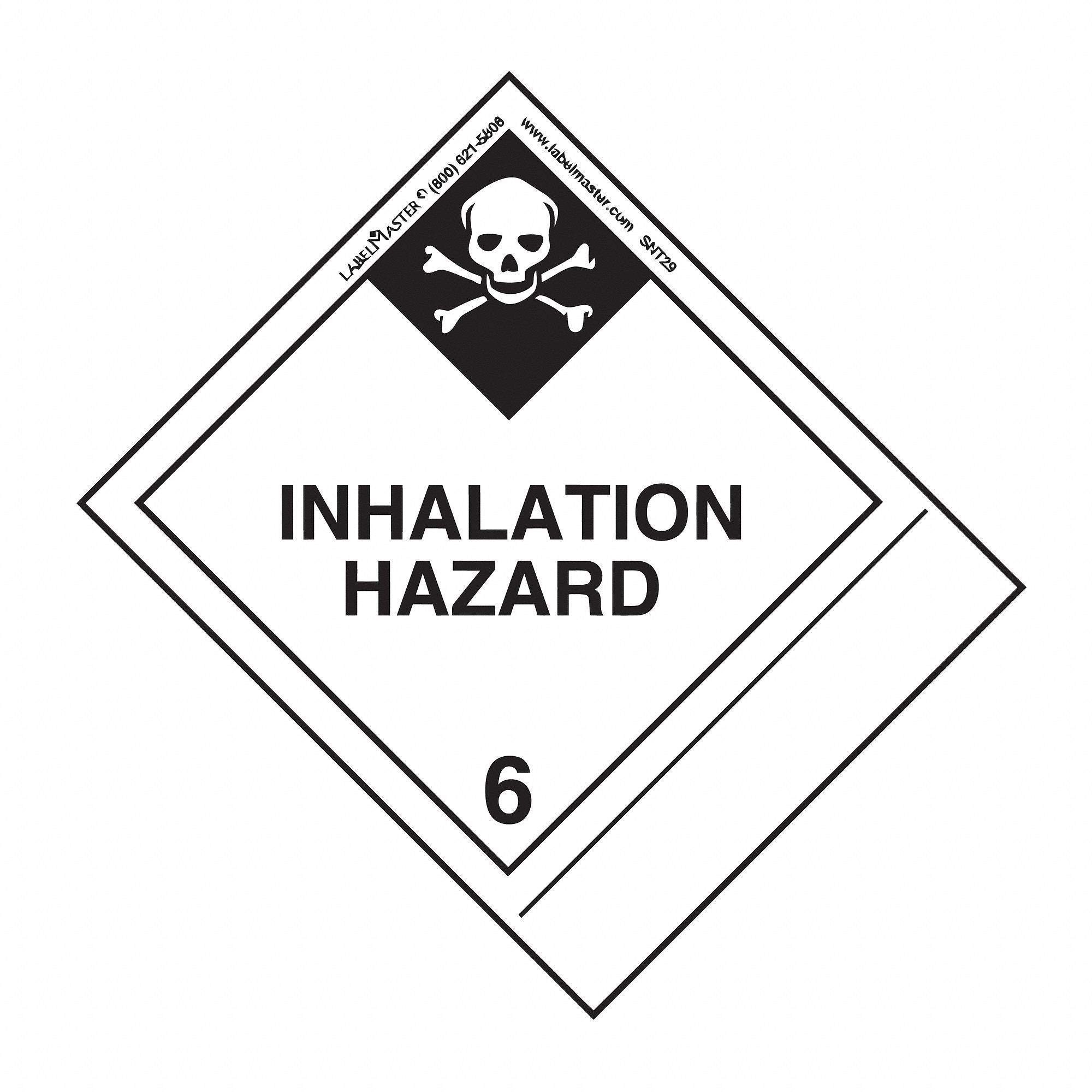
Class 6 Hazard Label - Best Label Ideas 2019
DOT Hazard Class Information - University of South Florida DOT Hazard Class Information. These are labels or placards that convey hazard information for containers or shipments of hazardous materials. Each label has a characteristic color pattern, pictogram, and hazard class number. There are nine different hazard classes under DOT. Click on the links below to see examples for each hazard class.
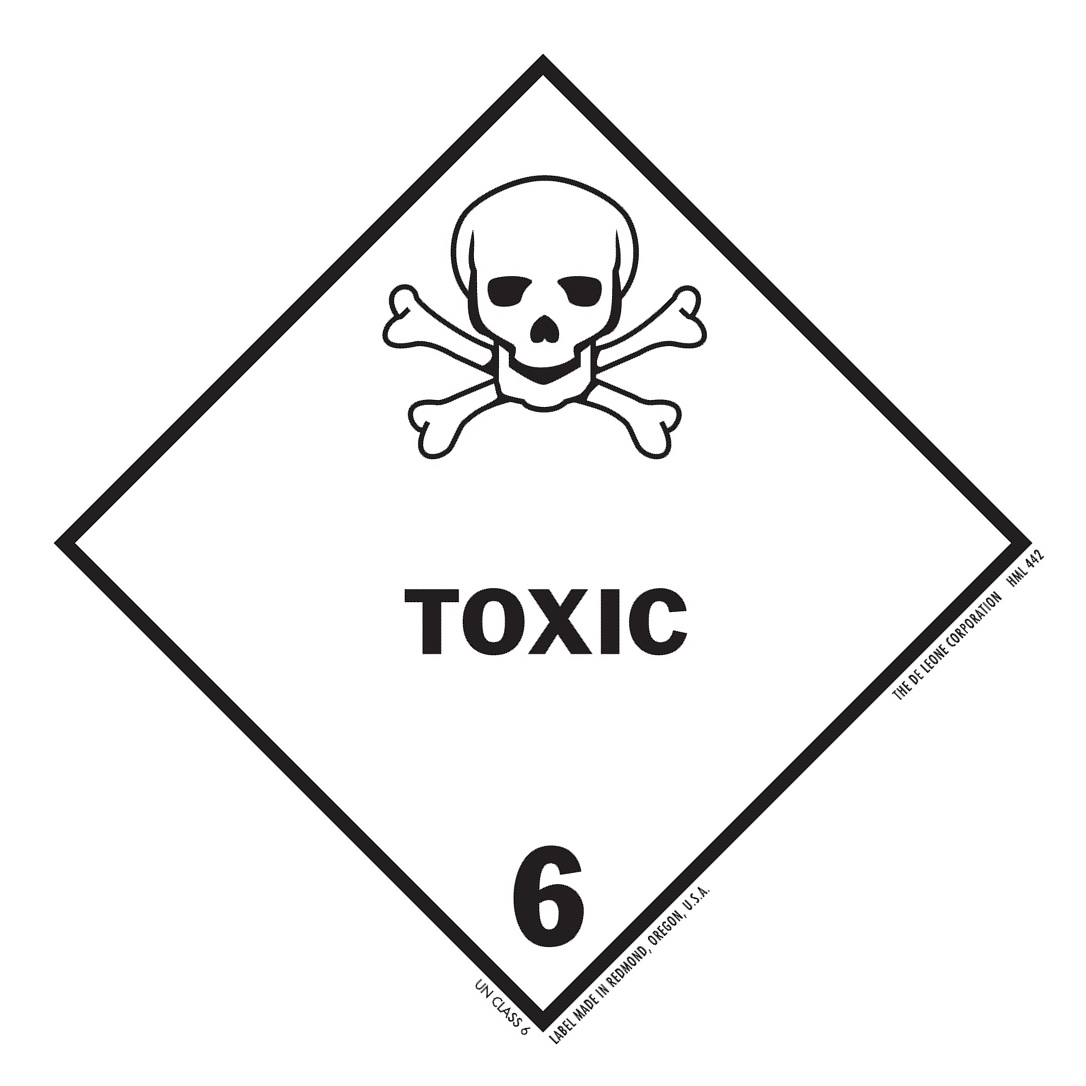
Hazardous Material Labels | 4" X 4" Hazardous Materials Label, Class 6, Paper | America's Finest ...
Hazardous Materials Tables | High Road Online CDL Training Column 1. (+) Fixes the proper shipping name, hazard class and packing group to use, even if the material does not meet the hazard class definition. (A) Means the hazardous material described in Column 2 is subject to the HMR only when offered or intended for transport by air unless it is a hazardous substance or hazardous waste. (W) Means the ...
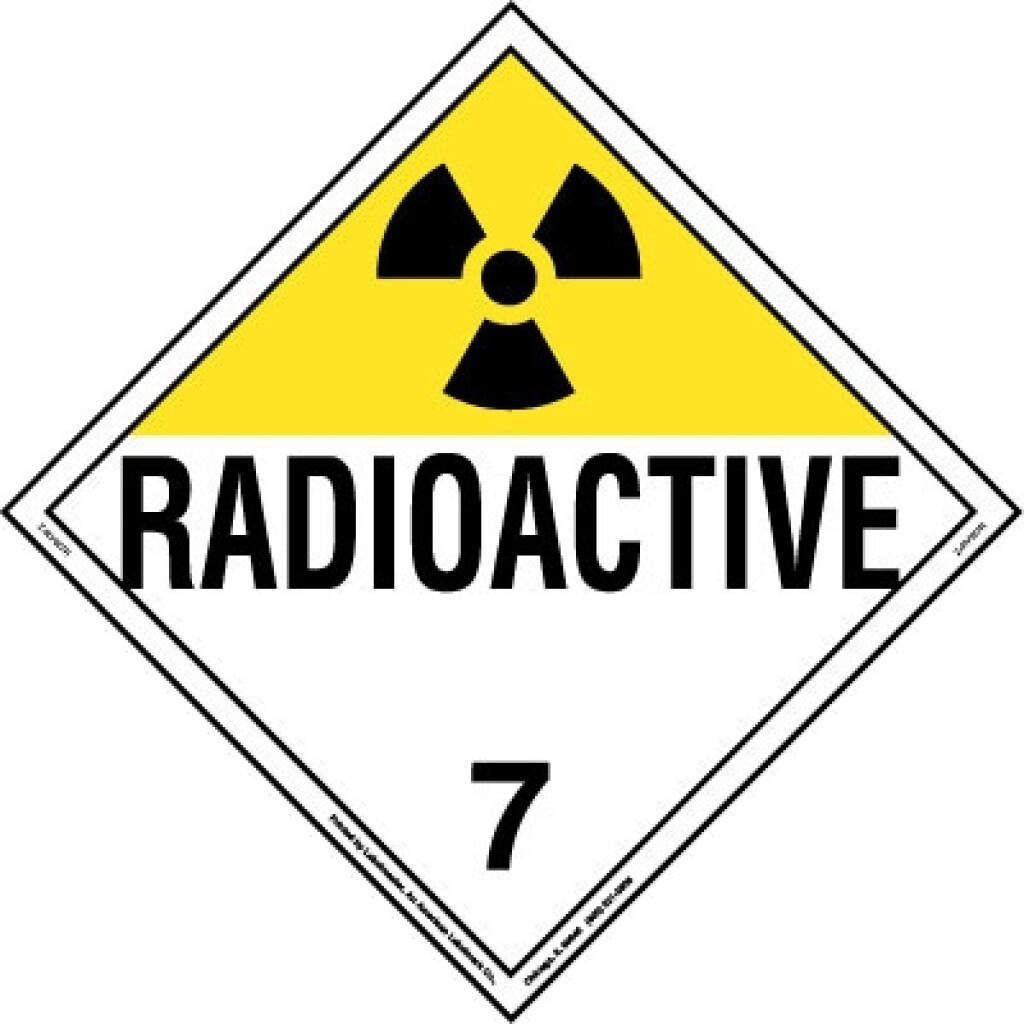
Hazmat Placard Specifications and Requirements from Labelmaster
DGR Hazard Labels - IATA IATA offers a wide variety of fully compliant hazard labels for all classes: Class 1 Explosives; Class 2 Gases; Class 3 Flammable Liquids; Class 4 Flammable ...

Class 4: Flammable solids or substances
PDF Understanding Hazardous Materials and Hazard Classification Class 2 (Gases) 2.3 -Poison gas - Gas at 20 degrees C (68 degrees) or less -- Pressure of 101.3kPa (14.7 psi) -- Poses a health hazard to humans in transportation -- Presumed to be toxic to humans 11c

Class 2 division 2.3 label ADR toxic gases
Class/ Division and Zone Ex Markings for Hazardous ... Class/ Division and Zone Ex Markings for Hazardous Locations in North America Electrical equipment must carry the official mark or label of an accredited certifying agency, which indicates that the product has been independently assessed for safety. Equipment nameplates provide a brief summary of the characteristics of the equipment.

Class 6 Hazard Label - Best Label Ideas 2019
Dangerous Goods - Austro Control GmbH Dangerous Goods are defined as those goods which meet the criteria of one or more of nine UN hazard classes. Some of these hazard classes are divided ...

Military Fire Division Symbol 1 Mass Explosion Hazard Label, SKU: DOT-2215
Marking & Labeling Your Shipment | Federal Aviation ... Marking. Marking means a descriptive name, identification number, instructions, cautions, weight, specification, or UN marks, or combinations thereof, required on outer packagings of hazardous materials or dangerous goods. Must be durable, in English, and printed on or affixed to the surface of a package or on a label, tag, or sign.
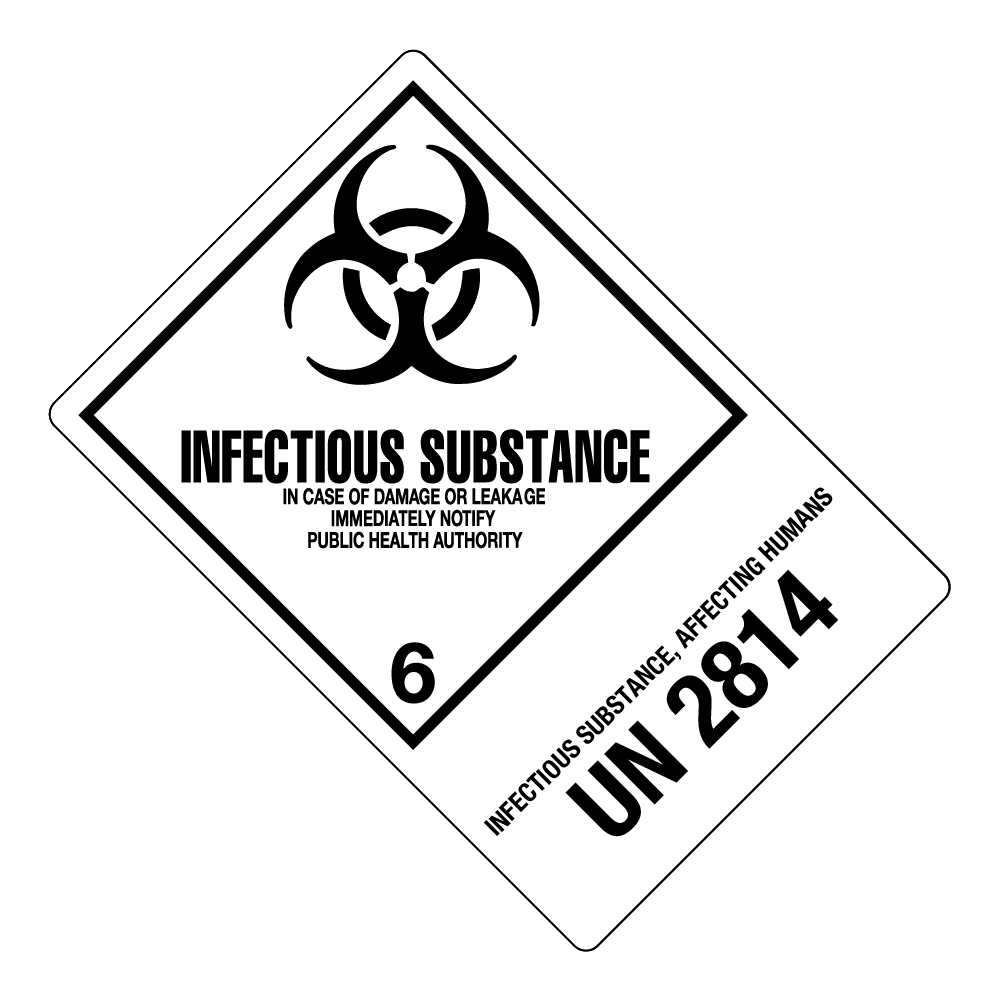
30 Class 6 Hazard Label - Labels Design Ideas 2020
Labeling - Hazpak Hazard Labels are used on the outside of packages to indicate what type of hazard or danger is inside each package. All Class & division hazard labels for both ...
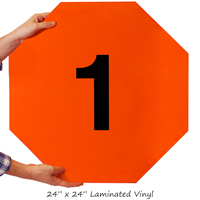
Military Fire Division Symbol 1 Mass Explosion Hazard Label, SKU: DOT-2215
DOT Hazard Classes - International Association of Fire Chiefs Placards are used to identify the class or division of a material. The hazard class or division number must be displayed in the lower corner of a placard and is required for both primary and subsidiary hazard classes and divisions, if applicable.
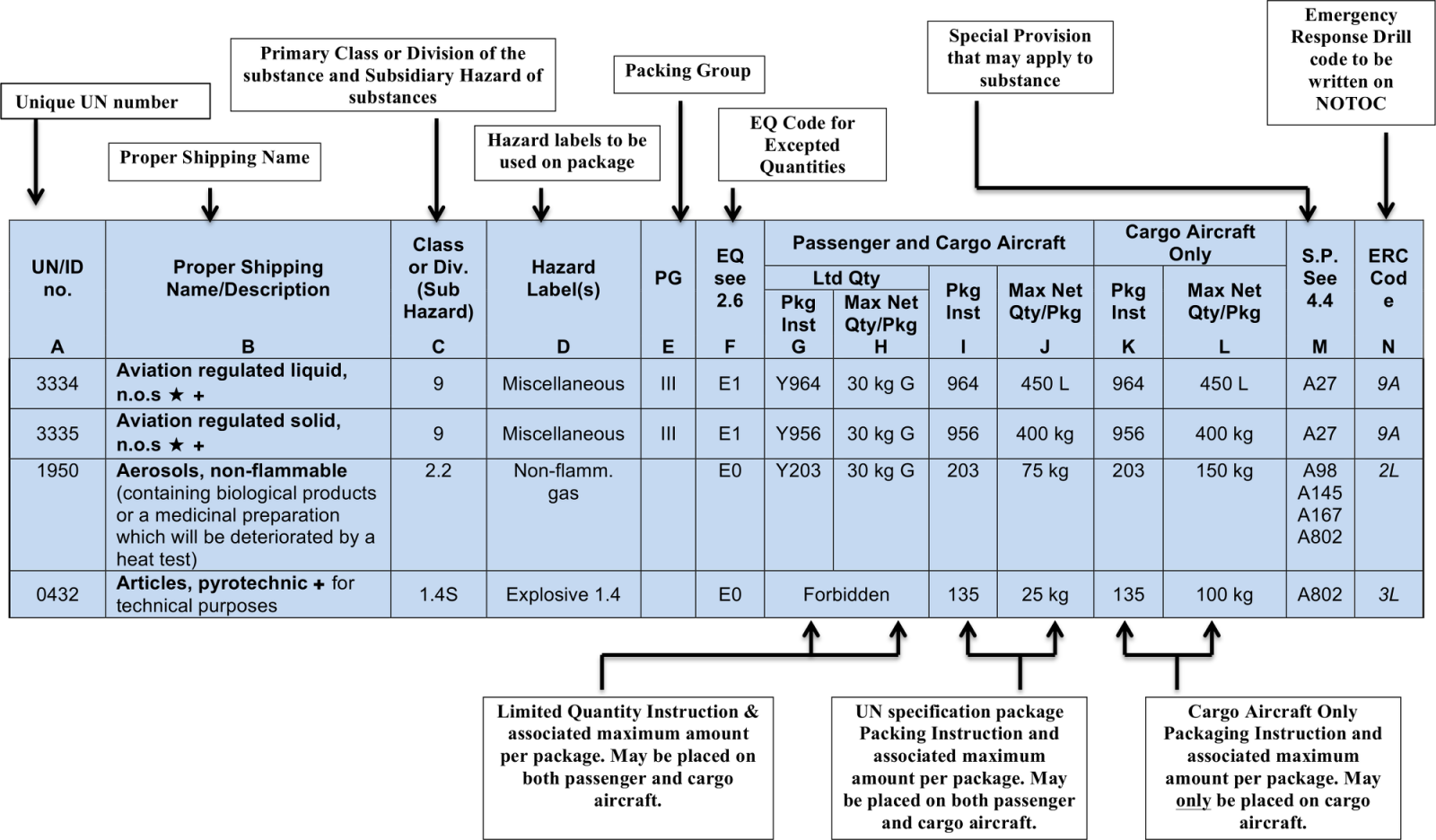
Print this sample
Hazmat Table Flashcards - Quizlet alphabetically Fixes the proper shipping name, hazard class and packing group + Identifies proper shipping names for which one or more technical names must be entered in parentheses G Applies to materials intended for transportation by vessel W Applies to transportation by aircraft A Identifies material appropriate for domestic transportation D
Post a Comment for "39 the class or division hazard labels indicate"